Personality
Calling
Category
Personalities
"Sometimes you don't need a plan. You need a question and the courage to ask it."
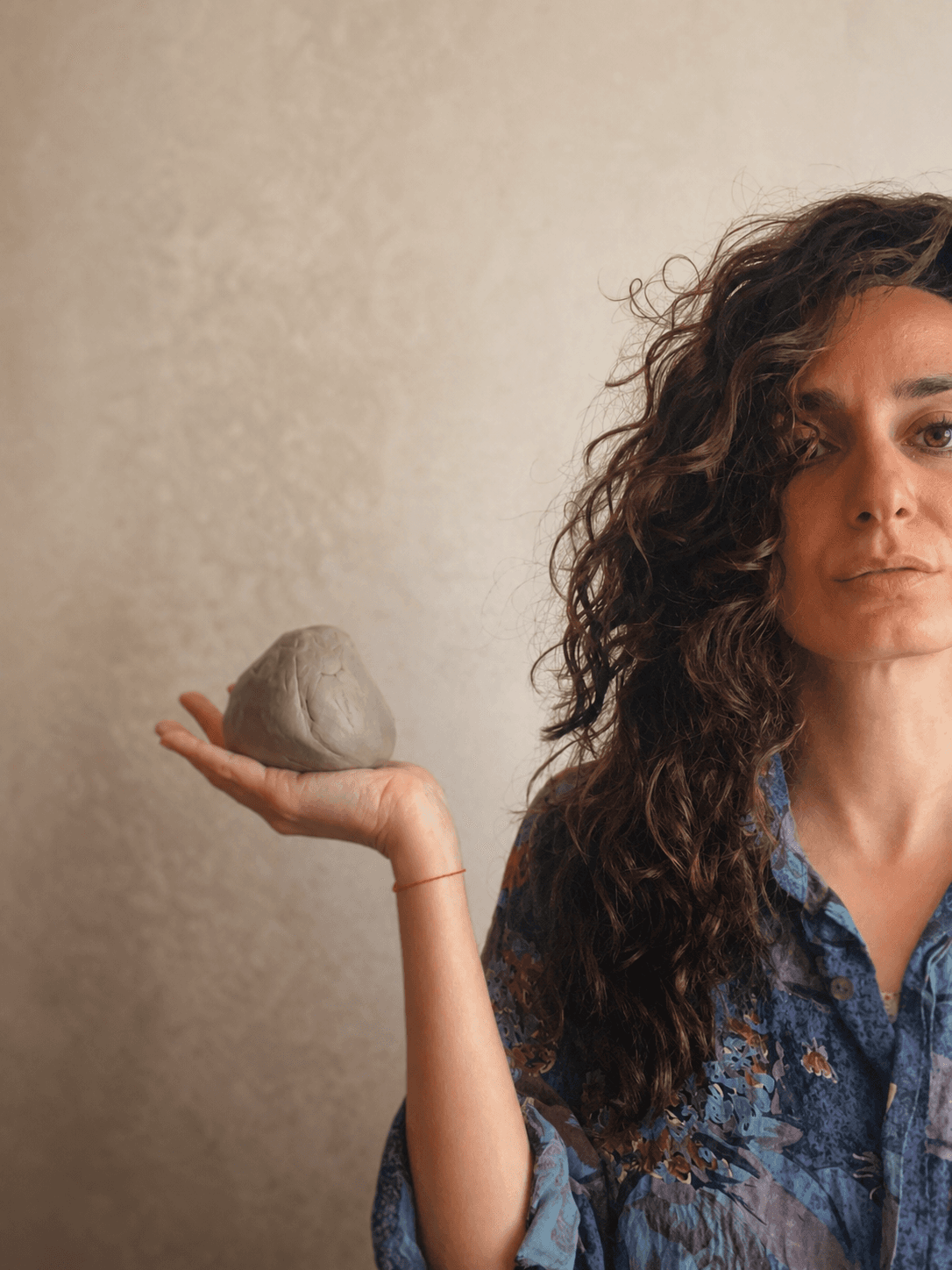
Some people discover their calling at a young age. Others find it between several countries, different professions, and a series of life twists and turns. The story of Hazal Eryilmaz from Ilẹ̀ Studio belongs to the latter. Her childhood was filled with creativity: stage, violin, ballet, and other pursuits that came and went. But none stayed long enough to become a destiny.
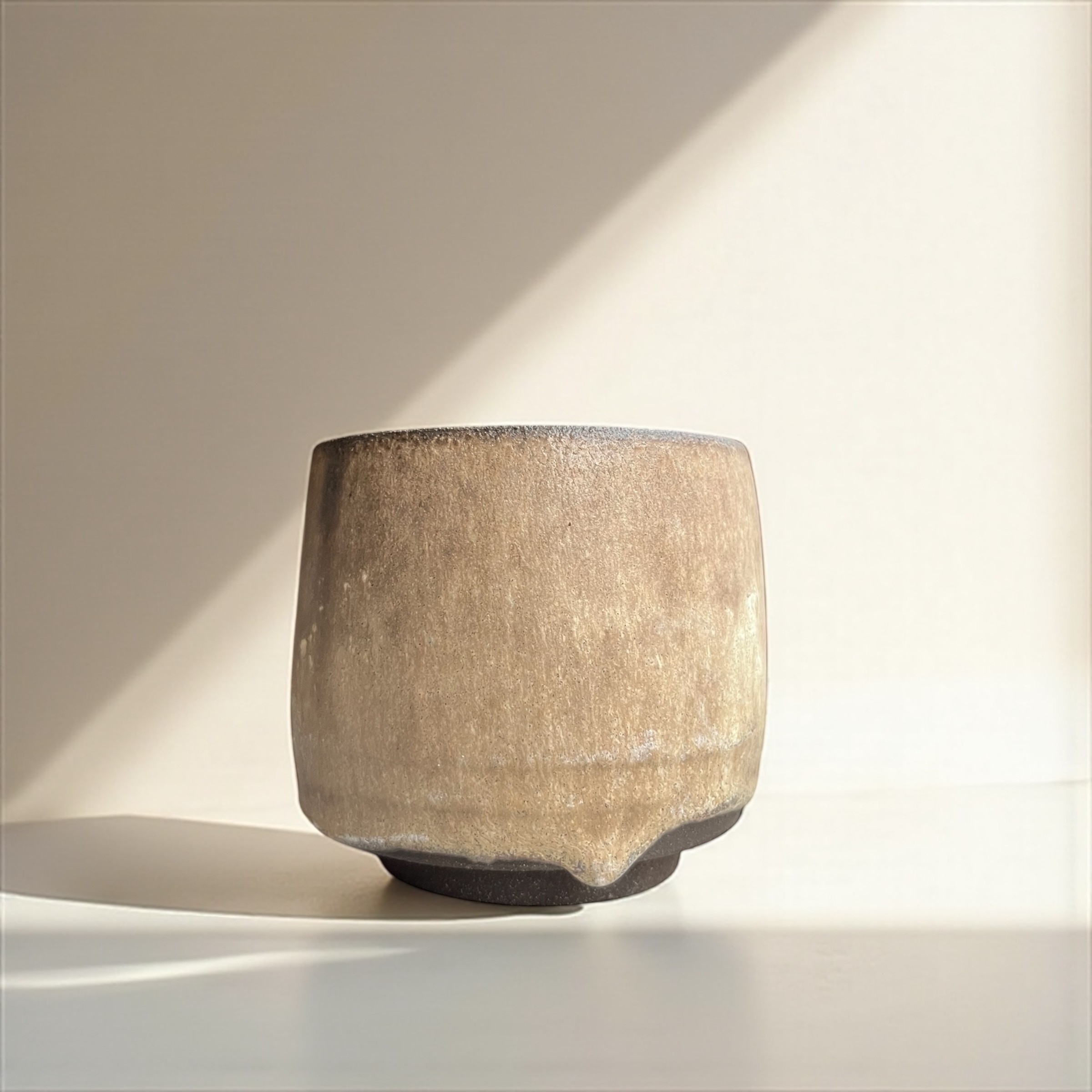
Ceramics came later. First as a visual inspiration and a passion for beautiful shapes through her own online art platform Life with Ceramics. Then came the question that changed everything: "Why am I only watching and not creating?"
Between watching and creating stood many years of education in California and working in the family textile business. A business that the COVID pandemic closed, but which also gave Hazal the necessary free space to reconsider her relationship with clay.
In a life built on moving between five countries, clay became a life companion. "I know that wherever I go," she says, "clay will be with me." And each country left something specific. Turkey laid the foundation of her understanding of ceramics. America and Spain showed a freer artistic approach. India is home to her partner. And Bulgaria made her rethink what it means to give others the freedom to discover their own creative language.
"Clay does not teach you how to control everything. It teaches you how to accept what you cannot control."
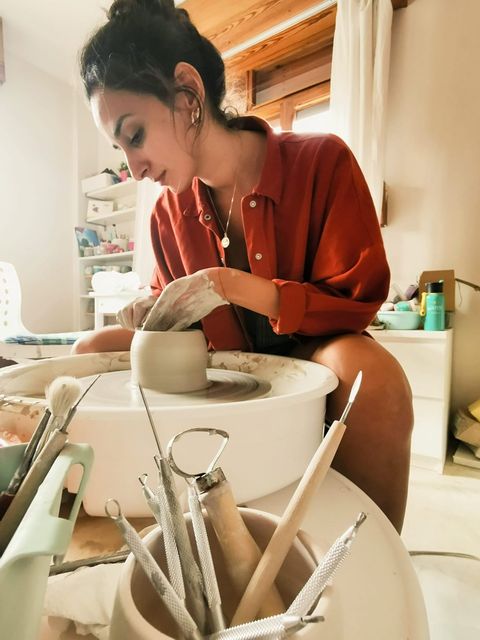
Many people come to her classes at Ilẹ̀ Studio with a clear idea. They want to make a bowl or a cup.
It turns out, however, that they leave with something more: the feeling that for two hours they didn't think about anything else. They were simply there, hands in the clay, fully present. It is no coincidence that even therapists recommend working with clay to people with concentration, focus, or busy daily life issues.
But the true teacher in ceramics is not the instructor. It is the kiln. That is where control ends. Even the same glaze on the exact same clay can come out differently after firing if there is the slightest change in the process. Nobody knows for sure. You pray, you put it in, you wait.
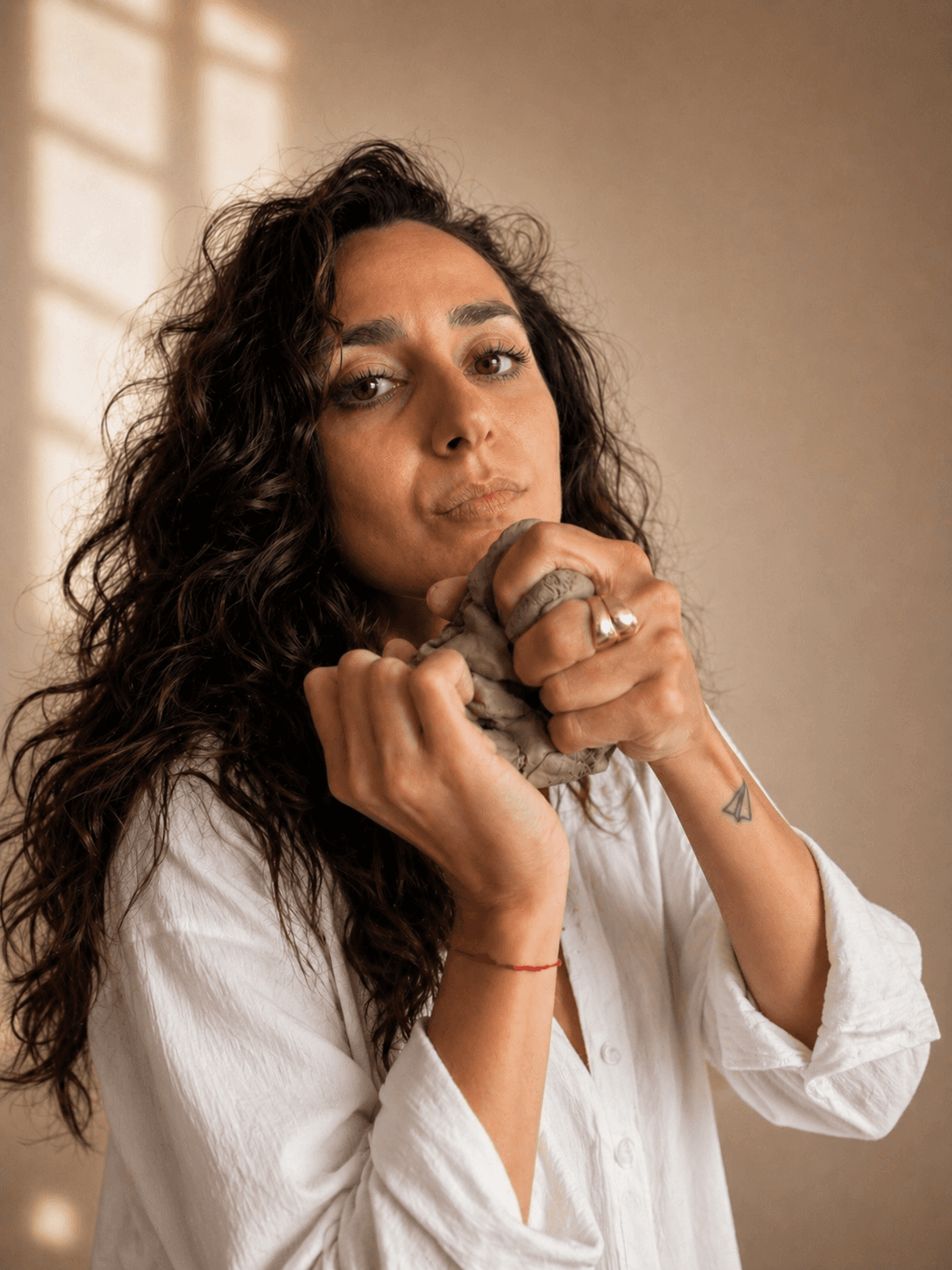
Perhaps that is exactly why, after six years of working with ceramics, Hazal says she has become calmer, less reactive, and more confident in the unknown. She has learned to wait. "I don't know whether I changed as a woman or with the help of the clay," she admits, "but I am different."
When you spend years creating something you don’t fully control, you start to see everything else differently, too.
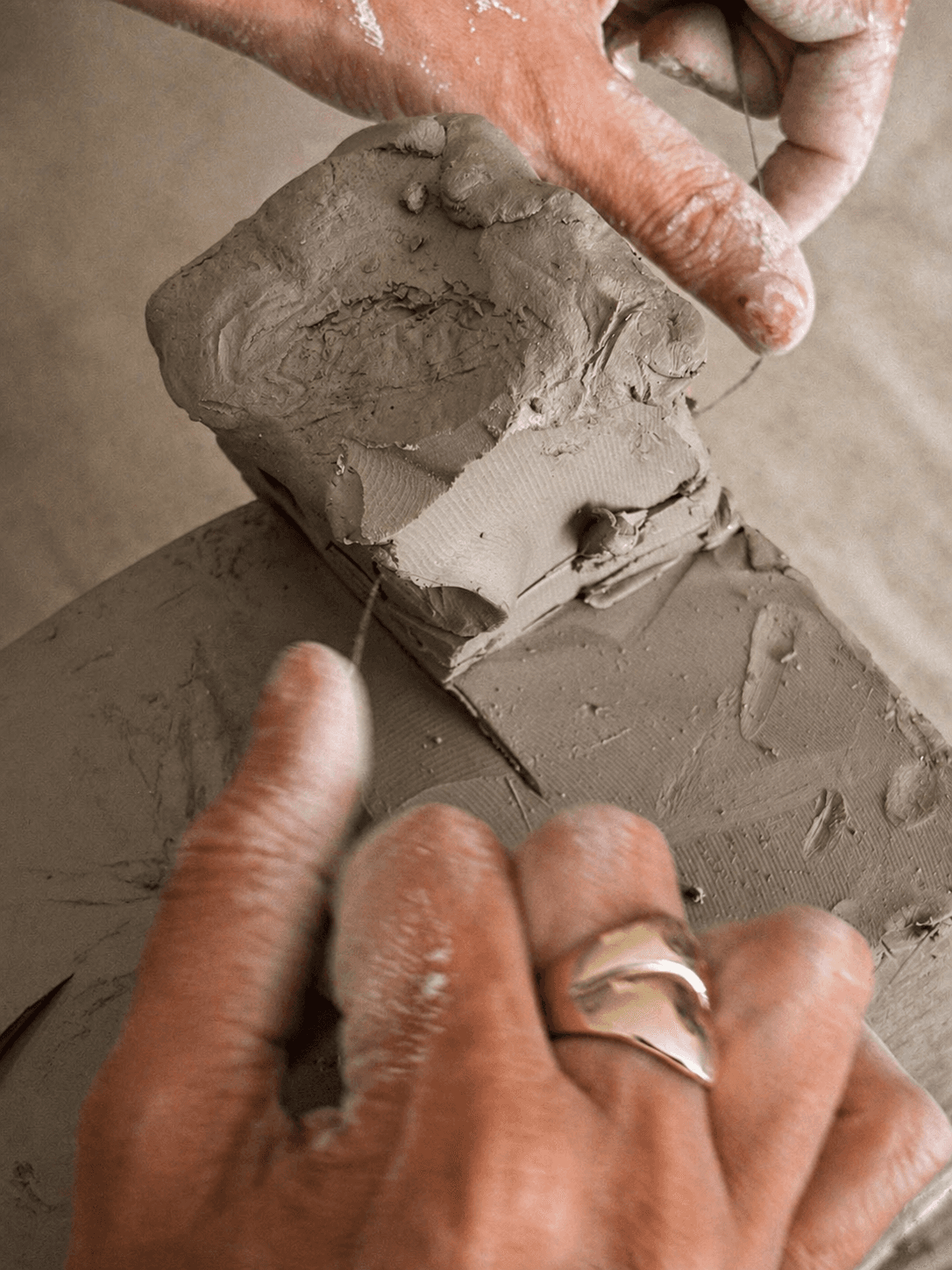
"We are all artists. Don’t let the title scare you off."
Among the most unexpected moments in Hazal's career is the appearance of her ceramics in an Apple promotional video. She found out by chance from her friends, who were behind the project and decided to surprise her. Here, however, the story is not about the big brand. It is about friendships, trust, and the connections between people. According to Hazal, technology helps, but people drive things.
The same philosophy lies behind perhaps her most unusual event: a combination of horse riding and ceramics. The idea was born spontaneously, from a conversation with Ranch Butch owner near Sofia. It was there that many participants, especially those with technical professions, discovered that they were actually more artistic than they thought.
Hazal is adamant that creativity does not belong to a chosen few. It is a natural human capacity that often remains hidden beneath fears, comparisons, and expectations. The greatest limitations are not external. They are the internal boundaries we set for ourselves.
That is why her advice to anyone who wants to turn their artistic passion into a profession is practical: "Work your normal 9-to-6 job, and after that, do art. On weekends too." Once the passion proves it brings stability, then make the leap. "Otherwise, it becomes a love-hate relationship," she says bluntly.
If art has to pay every bill from day one, it ceases to be a joy. "Even if you don't listen to me," Hazal adds with a smile, "take Dali's or Michelangelo's example, they had sponsors too." Stability is not the opposite of creativity. It is the condition for it.
Hazal Eryilmaz brand - Ilẹ̀ Studio
Ranch outside Sofia - Ranch Butch