Personality
Calling
Photographer
Category
Personalities
“Photography saved me and literally changed me as a person.”
Sometimes the most important turning points don't come with a bang, but as a whisper at the most unexpected moment. For Kristina Dineva, photography appeared at the age of 40, during that delicate period she calls her "midlife crisis." As a child, she dreamed of being a television presenter. Today, she "speaks" to people again, but through the lens.
Photography did not start as an ambition, but as an inner sense of a deep need to return to herself and find a way to express herself. The camera became not just a new hobby, but a tool for self-reflection and a new look at the inner world of people — her own and others'.
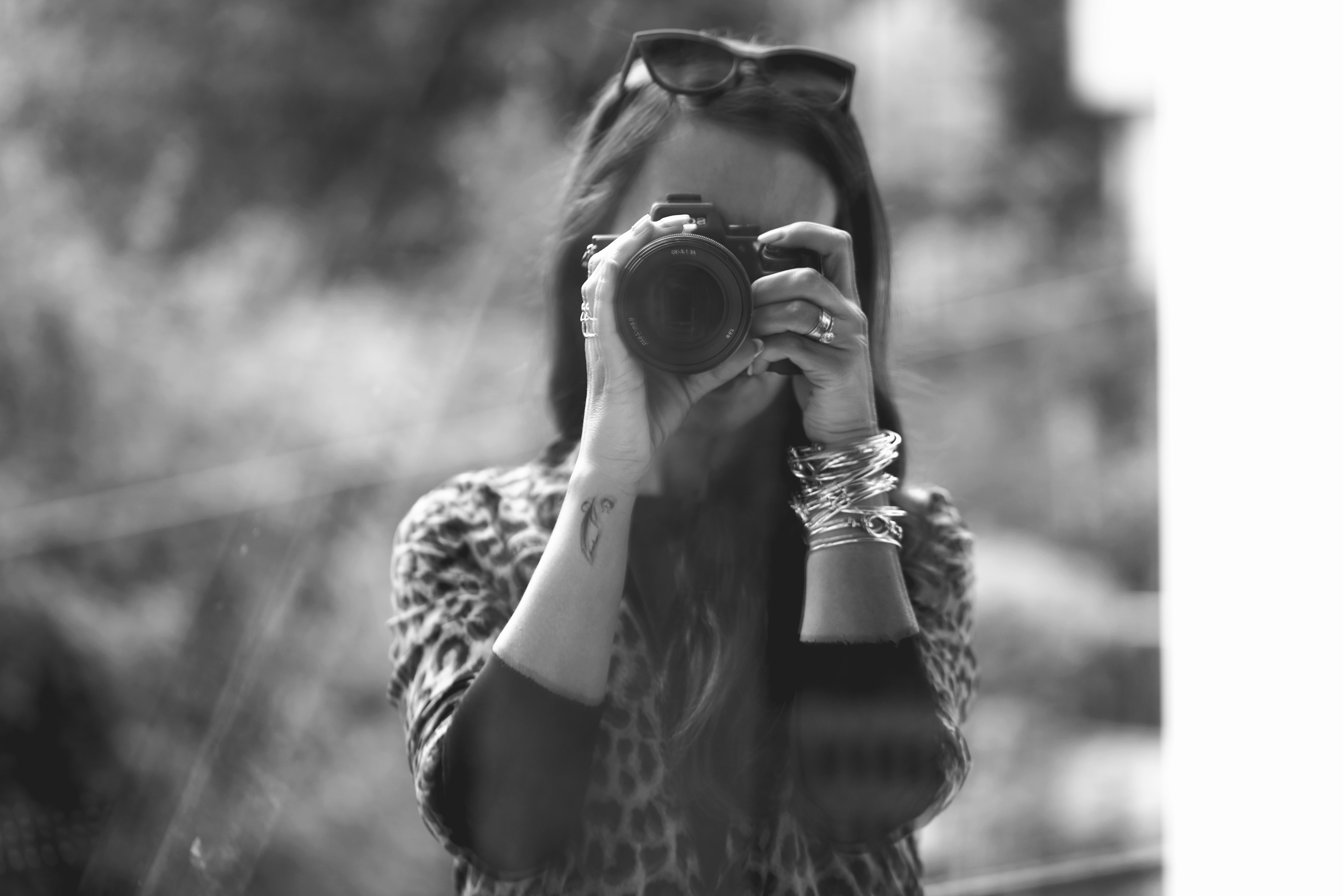
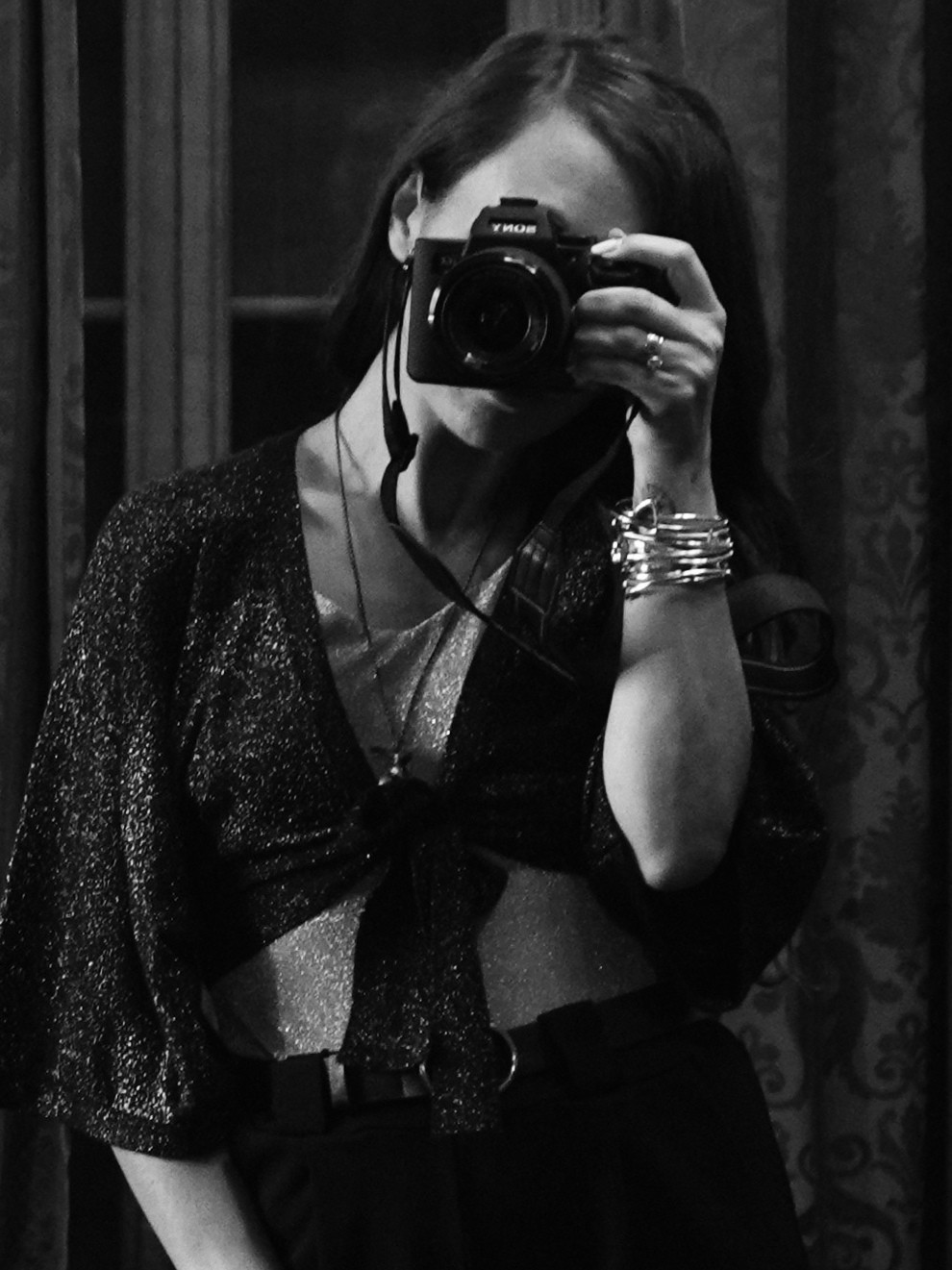
Her first shots are of her own family — intimate, spontaneous, real. Gradually, Kristina begins to see photography as meaningful, realizing that she wants to show what she photographs, identify with it, and express her point of view. Self-portraits also appear — an intense emotional experience in which she is both in front of and behind the camera. A moment of greatest vulnerability, but also of greatest freedom.
Finally, the inner shift comes: from "I shoot because everyone shoots" to "I shoot because I have something to say." In a world where the visual is currency, the question is no longer whether you have a camera — but whether you have a reason.
“The most important thing is to take off the mask of the person.”
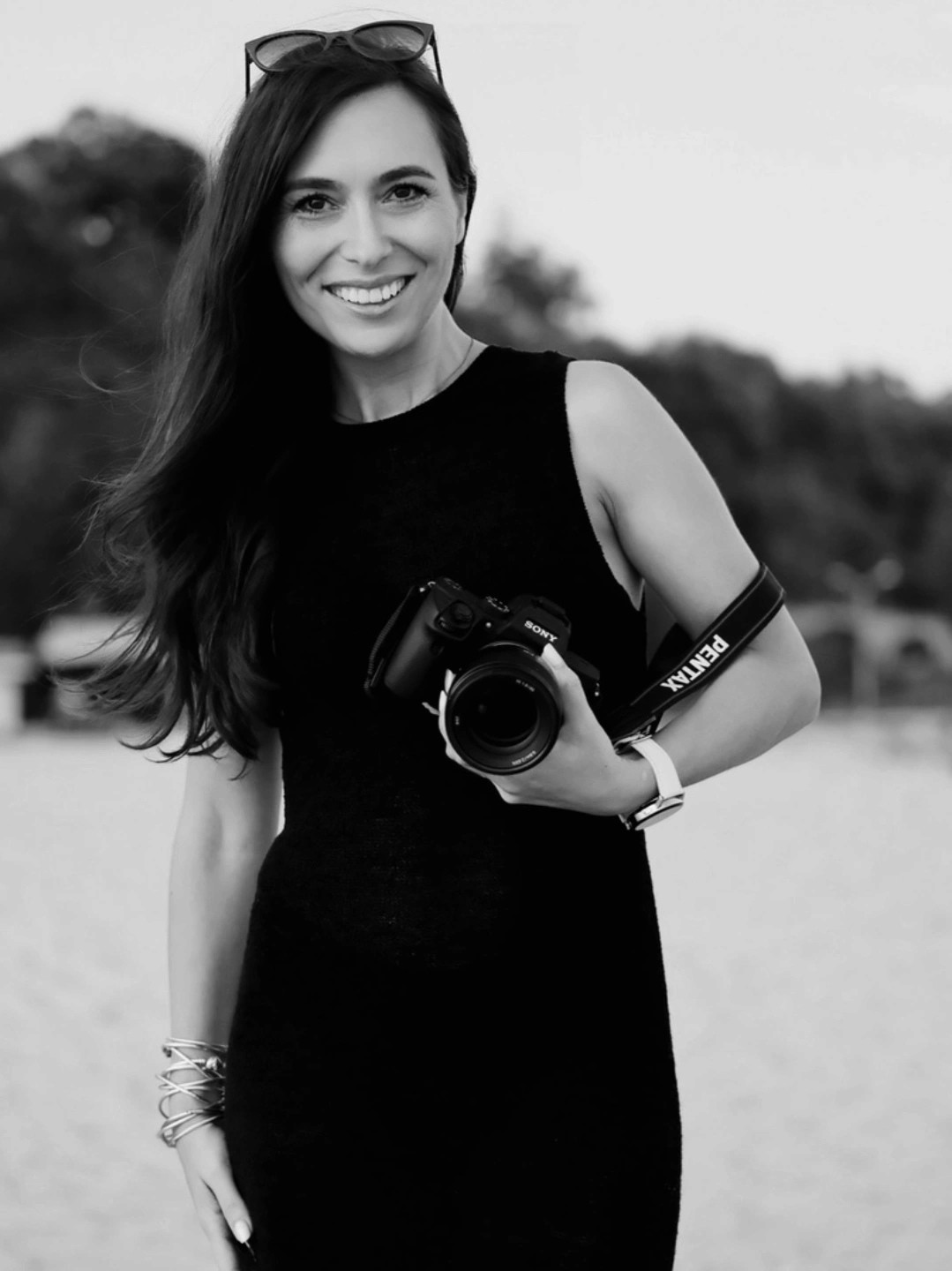
For many, the photographer is a "technician" — someone who presses a button at the right moment. Legendary fashion photographer Helmut Newton sees it differently. He says: "I am a professional voyeur," a special observer of human nature. Kristina identifies herself in this way. Not as a predator of moments, but as an attentive and empathetic witness. She sees people in moments when they don't like themselves. And she takes responsibility for what will remain of that moment. What truth will be revealed, and how. Her deepest desire is to make everyone look at themselves from the outside with understanding, to see themselves in a different way, to discover or rediscover something in themselves.
Her creative process is well thought out and involves many aspects: idea, concept, vision, location. And at the center — the model/person, without whom no portrait is possible. Standing in front of a camera can be physically and emotionally exhausting work. Trusting a stranger with a camera - even more so.
That is why a photoshoot with Kristina is above all about trust and experience, which begins with the first contact and idea. A space where a person can take off their mask and be alone with themselves for a while.
The need for this experience to happen naturally gave birth to DA Studio — a place that feels like home, an intimate space for the meeting between photographer and client, and at the same time a place for community, seminars, meetings, and sharing. Because creativity grows faster when it is shared.
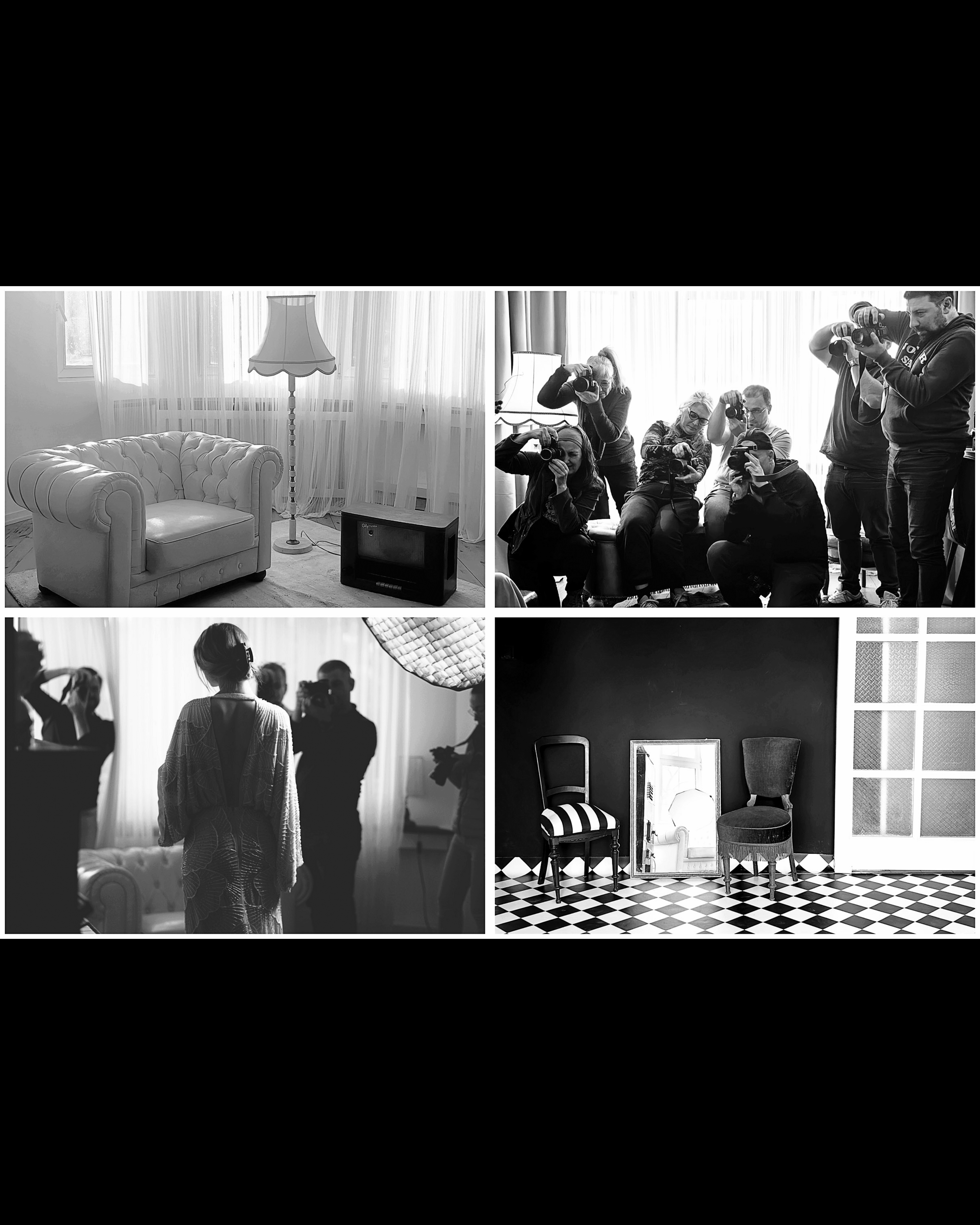
“You see what you can see in the moment.”
When we talk about contemporary photography, social media is an inevitable topic. Today, almost every photo lives online, and we quickly separate "valuable art" from "content for the algorithm." For Kristina, the two should not be contradictory. Even a selfie can be an act of self-expression. It's all about intention.
And yet, photography has long stood on the edge between craft and art. The artistic world defines it as a mechanical process — too dependent on technology, too "easy," too objective. The camera simply records reality, right? This doubt gives rise to the question of whether the photographer is an artist in the conventional sense at all.
For Kristina, the answer is clear: photography is art, even though she insists on calling herself neither a photographer nor an artist, but simply a person who expresses herself through and in photographs. The same frame is seen differently by different people — depending on their experience, their pain, their maturity. Just as a book is not the same at 20 and at 40, a photograph is not a fixed truth. It is an encounter between the gaze of the author and the gaze of the viewer.
In this context, artificial intelligence and expensive equipment are tools — different forms of technology that help but cannot replace the eyes and the heart. The camera does not tell the story for you. The software does not experience the moment for you.
The value is not in the lens. It is in what you choose to see — and how boldly you are willing to show it.