Personality
Calling
Category
Personalities
"I'm chasing something I don't even know what it is yet."
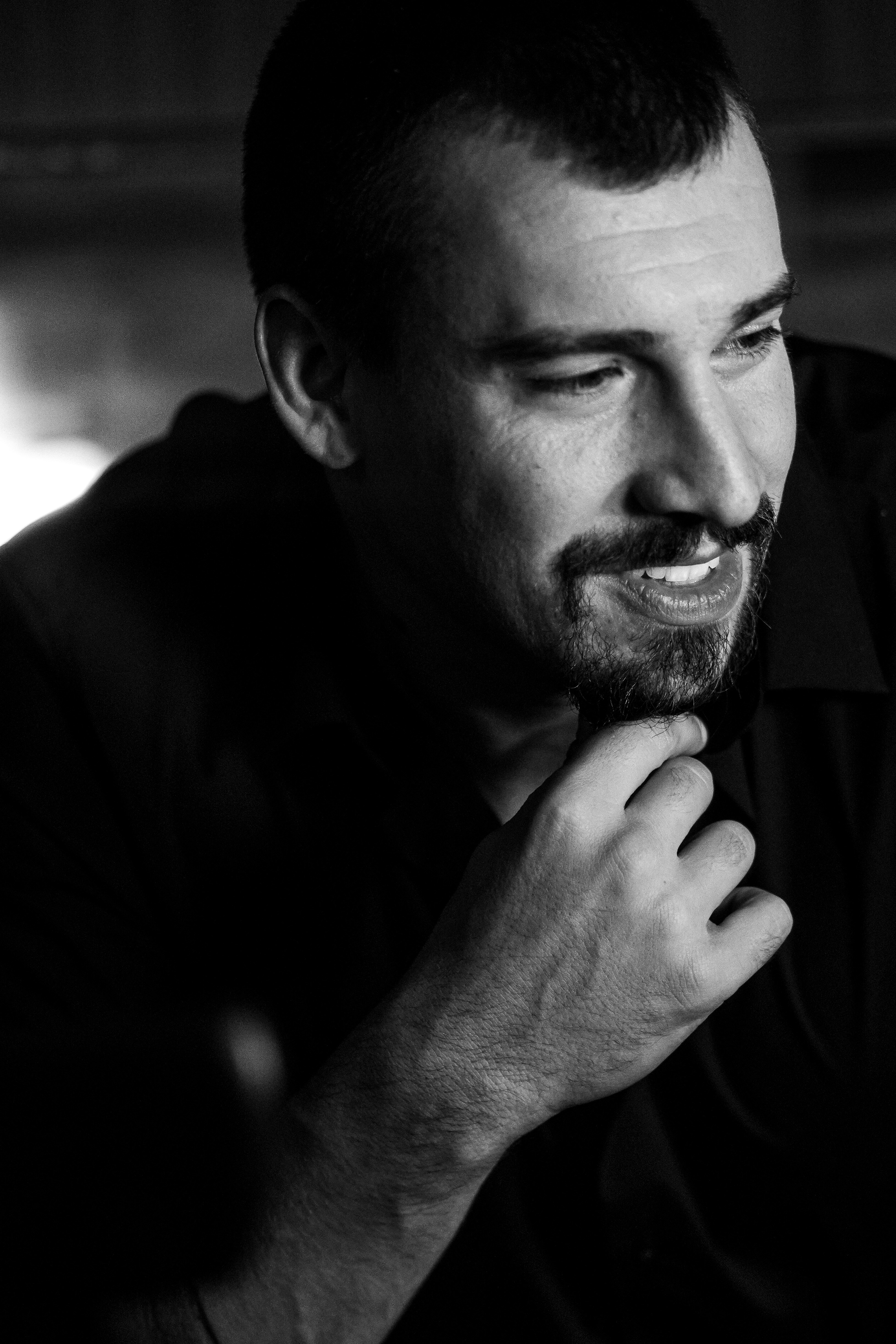
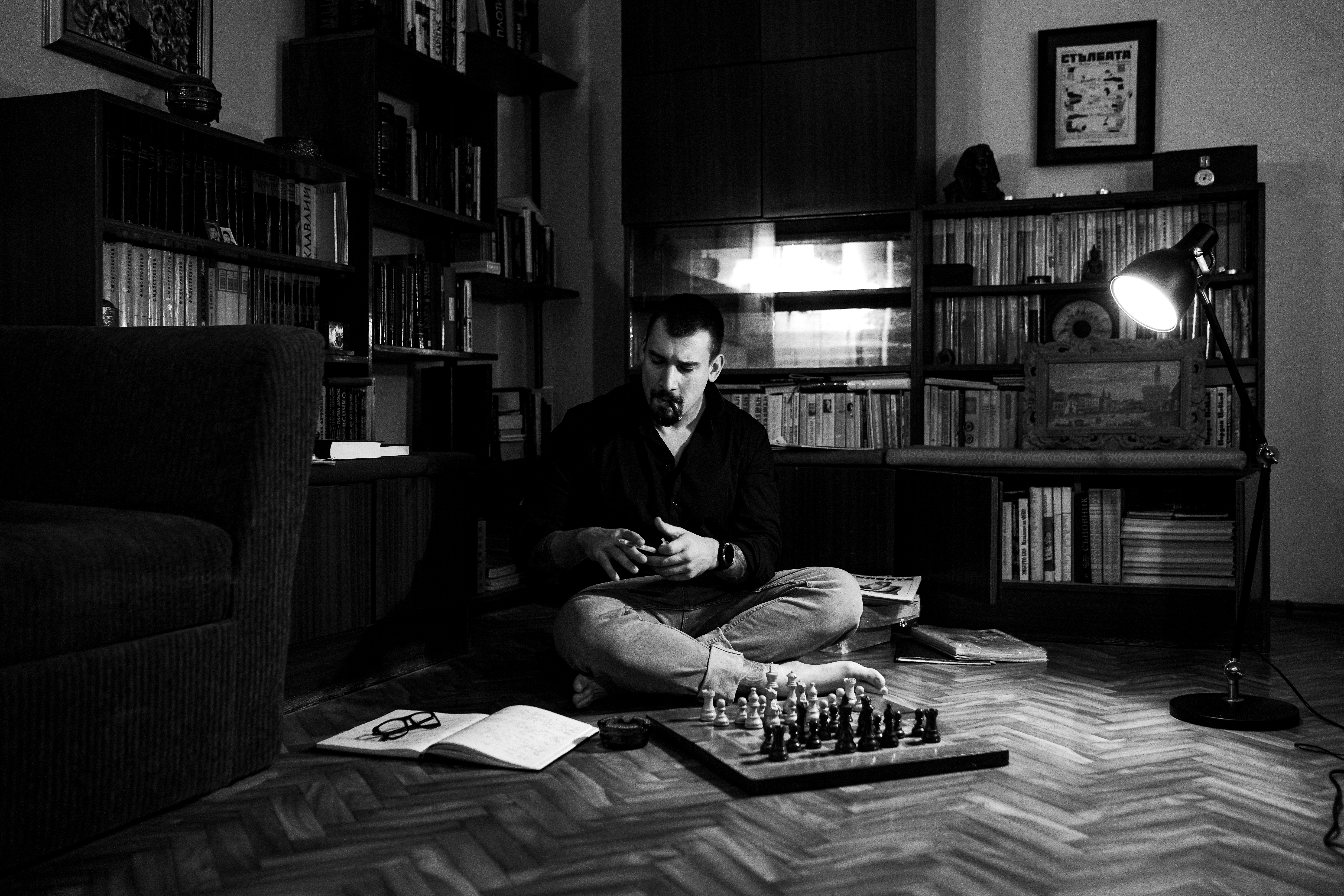
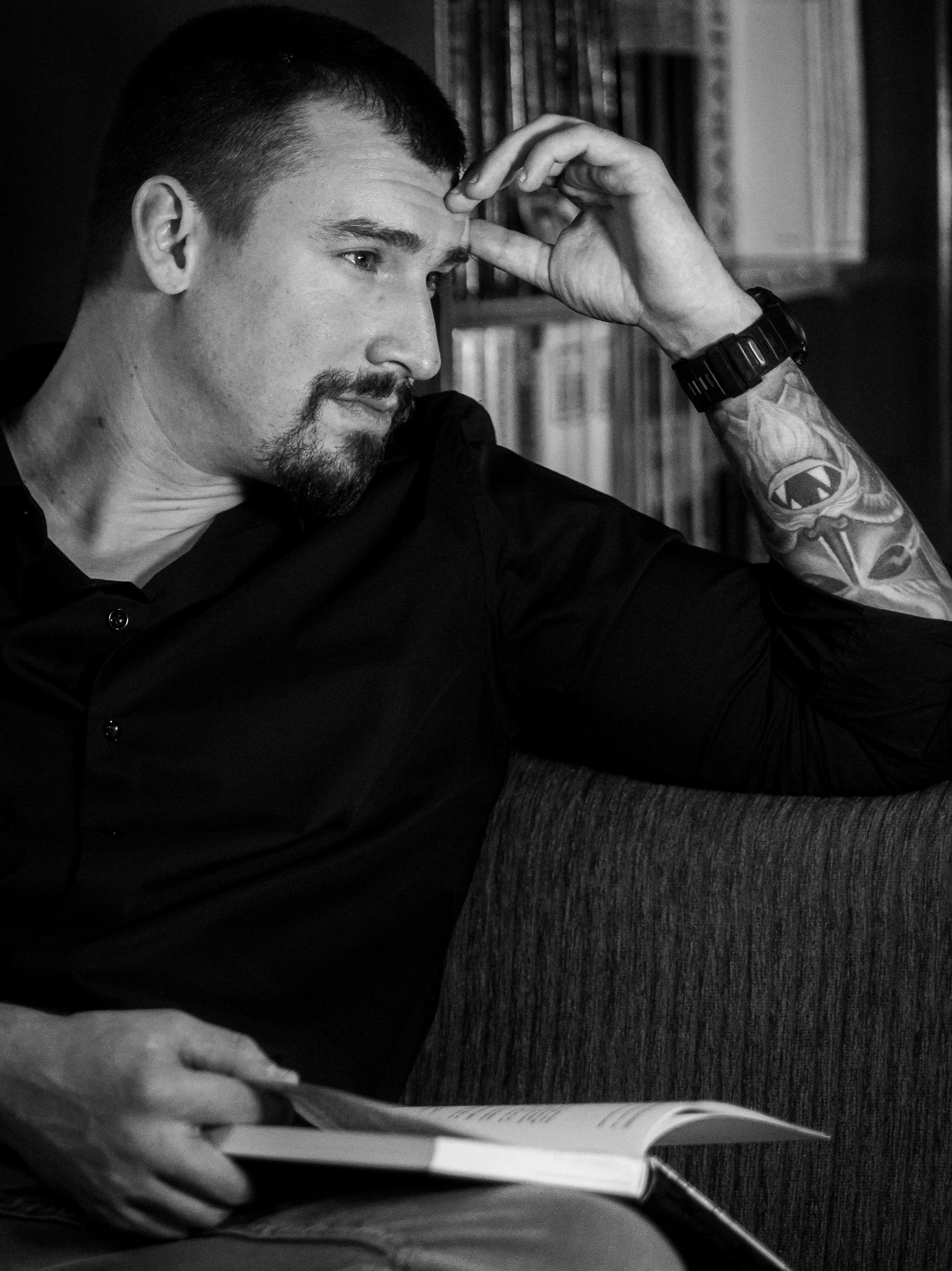
Leonard talks about himself not as the editor-in-chief of "The Ladder" magazine, but as a restless spirit who is not content with the everyday things in life. He is an ambivert who interacts with people during the day and retreats in the evening to organize the world in his head. Solitude is not an escape, but a tool. It is that quiet interval between two social waves in which intentions, ideas, and decisions are born.
Working in the media does not begin with a specific flash of inspiration, but as a series of wanderings. Thirty-five years later, Leonard finds his trajectory unexpectedly – not in a plan, not in a strategy, but while taking out the trash. The idea for a magazine that would be free, without political bias, without ideological filters, came to him like a sudden epiphany. It was during a period he calls a "life hole."
"The Ladder" came as an unexpected support. As a project that not only structured his professional life, but also gave him back a sense of meaning. Leonard finally felt that he was getting closer to that undefined "something" he had always pursued.
“The media should elevate the overall level, not descend to it.”
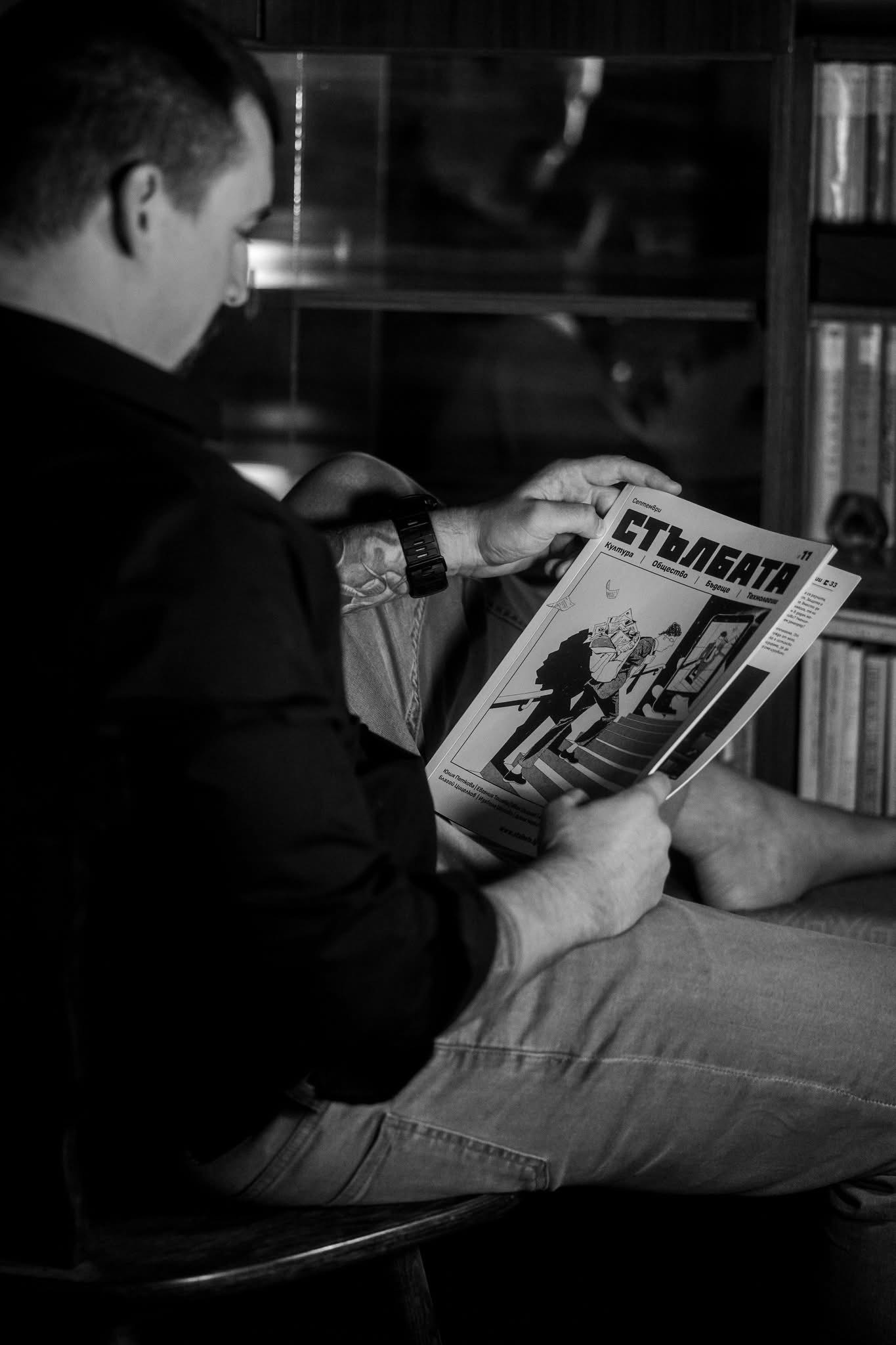
The name "The Ladder" came at the last moment after a long search and many ideas that never sounded quite right. Until one day, his partner Mihail Angelov said, "How about The Ladder?" — a word that instantly gave meaning to the whole concept. Multilayered, symbolic, upward-looking.
The magazine stands in deliberate counterpoint to our accelerated times. Leonard talks about Habermas, about the acceleration of history, about the need for topics that will remain valid even a century from now. While the mass media succumb to algorithms and fast content, "The Ladder" chooses the opposite—print, analysis, dialogue. Reading on paper requires slowing down, and slowing down opens up space for thinking.
The team is the other foundation. For Leonard, the people he works with are family—noisy, temperamental, but united by a common goal. Discipline comes not through control, but through trust. When everyone gives 100%, management is not pressure, but coordination. And despite the ego that every creator possesses, the conviction that "the cause is above us" keeps the structure alive.
“He who has a why to live for can bear almost any how.”
This quote from Nietzsche is at the heart of Leonard's thinking about media, meaning, and society. Meaning is more important than motivation.
For him, the media in Bulgaria has lost its meaning to educate. The social polarization in our country after COVID and the war in Ukraine has created a gap between East and West, between generations and between ideologies. According to Leonard, where reason should be at the center, there is now an empty space.
Change begins with civic responsibility — not allowing the state to be "occupied" by apathy. "We must fight," he says — and not close our eyes to evil. Leonard insists that journalism must be done with conscience. A quick career is always possible, but it does not always allow one to look at oneself calmly in the mirror. Quality is a slow process, similar to Sisyphus' labor, but there can be happiness in this labor, as Albert Camus says.
Through "The Ladder", Leonard dreams of leaving behind a change in thinking. If, in 30 years, the conversation has become more mature and honest, if society thinks a little more critically, that would be his true legacy.
Photos: Kristina Dineva